
Preventative Medicine
Preventative Medicine In Montgomery Texas At Salvia Wellness
Prevention Is Power
Salvia Wellness, where your health is paramount.
We offer a comprehensive range of preventative health measures designed to safeguard your wellbeing, and nip potential health issues before they escalate. Our services are geared towards early detection, regular screenings, and lifestyle adjustments, all of which play a pivotal role in warding off serious illnesses.
Preventative medicine is not just about preventing disease, it's about maintaining overall health and improving quality of life. It is the cornerstone of a proactive approach to healthcare, which aims to keep you healthy and active for years to come.
With our preventative medicine services, we hope to empower you with the knowledge and resources to take charge of your health, and make informed decisions that will pave the way for a healthier future.
Preventative Medicine In Montgomery, TX
What is Preventative Medicine?
Preventative health screenings are medical tests conducted to identify potential health issues before they become serious. These screenings are typically performed at regular intervals based on age, gender, and health risk factors. Common examples include HER Scans for breast cancer, Cologuard for colorectal cancer, blood pressure measurements for hypertension, and cholesterol checks for heart disease. The goal of these screenings is to detect diseases early, when they are more manageable, or even prevent them altogether.



Disease Prevention
Do I Need Preventative Health Screening?
Preventative health screenings are essential in maintaining good health and identifying potential health issues early. The type of screenings you may need can depend on multiple factors such as your age, gender, lifestyle, family history, and existing health conditions.
Regular screenings can enable early detection of conditions like heart disease, diabetes, and certain types of cancer, facilitating early intervention and potentially leading to more effective treatment.
Why Should I Do Preventative Health Screening?
Benefits of Prevention
Preventative health screening is a vital tool that helps detect potential health issues before they become severe. It encourages individuals to be proactive about their health, leading to early detection, easier management, and sometimes, complete prevention of diseases.
- Early Detection: It allows diseases to be caught in their early stages when they are usually easier to treat.
- Prevention: Certain screenings can prevent diseases entirely by identifying risk factors that can be modified or treated.
- Improves Healthspan: Regular health screenings can enhance the quality of life by detecting conditions that might affect an individual's physical and mental wellbeing.
- Cost-Efficient: It could lead to significant cost savings in medical care over time by catching potential issues before they become severe.
What Screening Do I Need?
Preventative Screening
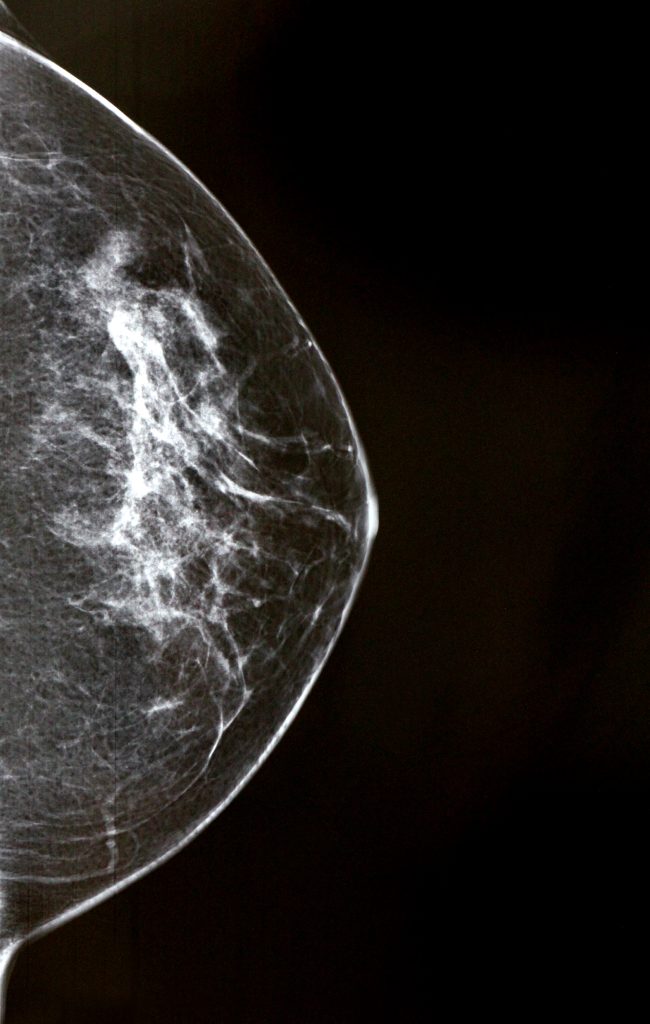
A Mammogram is a specific type of breast imaging that uses low-dose x-ray technology to detect any abnormalities in the breast tissue. It aids in the early detection of breast cancer and is recommended for women above 40 years of age or those at increased risk.
Herscan is a high-resolution ultrasound screening tool for breast examination. This non-invasive procedure is particularly useful for women with dense breast tissue. By using advanced ultrasonic waves, Herscan captures detailed images of breast tissues, aiding in the early detection of potential abnormalities or breast cancer. It's an efficient, painless, and radiation-free alternative for comprehensive breast health care.
Cologuard is a non-invasive stool-DNA screening test for colorectal cancer. It analyzes a stool sample for the presence of 11 biomarkers that can indicate the presence of colorectal cancer or advanced adenoma. Convenient and easy to use, it's primarily recommended for adults 45 years and older who are at average risk for colorectal cancer.


Preventative Care In Montgomery Texas
Do I Need Annual Blood Testing?
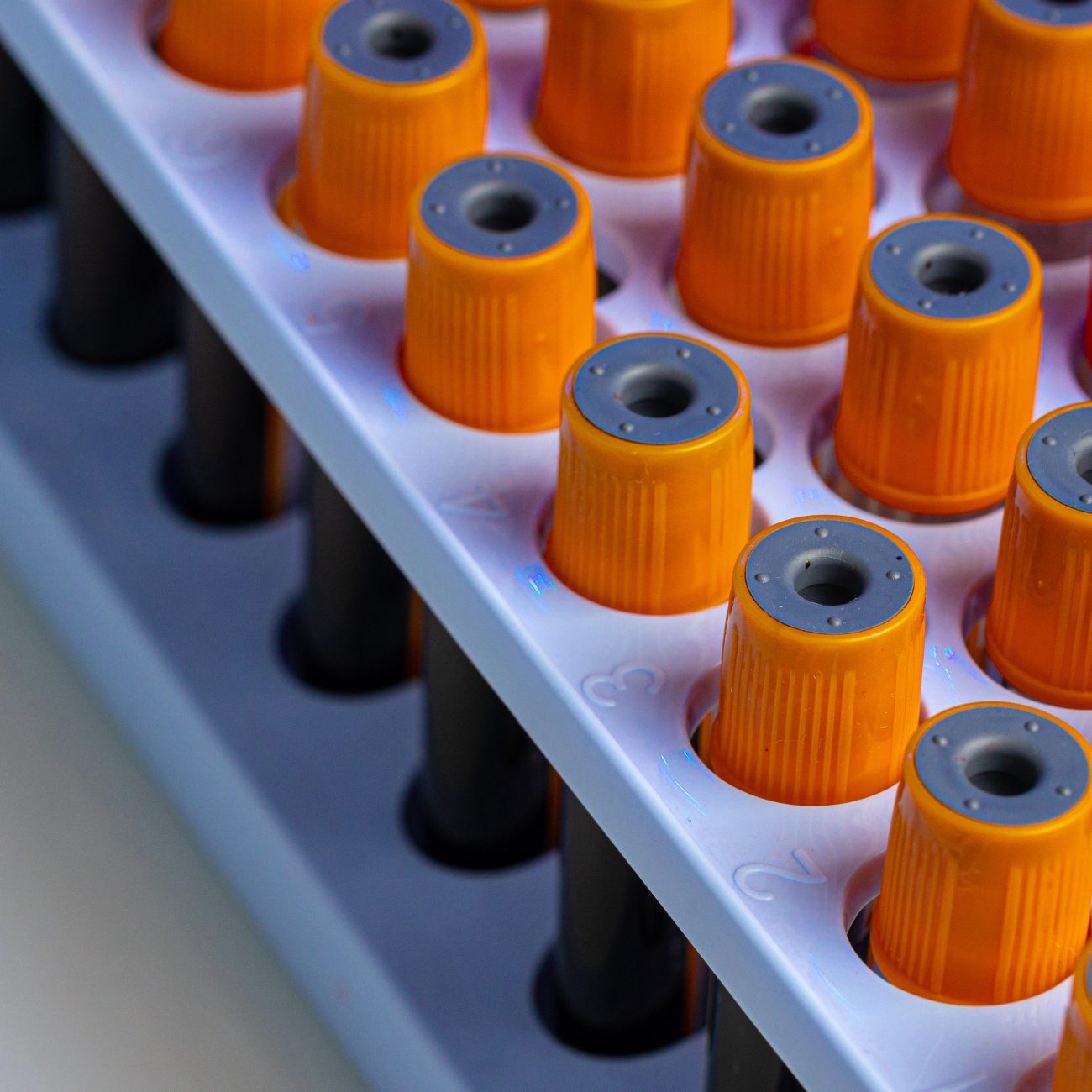
Annual Blood Panels are a critical component of preventive healthcare, providing a broad overview of an individual's overall health. These tests measure various aspects of your blood, including red and white cell counts, glucose levels, lipid profiles, kidney function, liver function, and thyroid function, among others.
The comprehensive nature of these panels allows for the early detection of common conditions such as diabetes, heart disease, thyroid disorders, and kidney disease. By identifying these conditions early, treatment can be started promptly, often preventing these diseases from progressing.
Annual blood panels are typically recommended for adults, especially those with a family history of chronic diseases, or those who have risk factors such as smoking or obesity.

Cologuard FAQ + -
What is Cologuard?
Cologuard is an at-home, non-invasive colon cancer screening test approved by the FDA. It tests for DNA mutations and red blood cells in your stool, which could be indications of colon cancer.
How does Cologuard work?
You simply use the kit provided to collect a small stool sample at home and send it to the lab in the prepaid package. The lab then tests your sample for certain DNA and blood markers that could indicate colon cancer.
Who should use Cologuard?
Cologuard is intended for adults 45 and older who are at average risk for colon cancer and prefer a non-invasive screening option. However, it's not a replacement for colonoscopy in high risk patients. Always consult with your healthcare provider before making any decision.
How accurate is Cologuard?
Cologuard was found to be 92% sensitive in detecting colon cancer in a clinical study. However, like all tests, it's not 100% accurate and could produce false positive or false negative results.
Are there any side effects or risks associated with Cologuard?
Since Cologuard is non-invasive and doesn't require any special preparation, it doesn't have direct side effects or risks. However, it can lead to false positives, prompting unnecessary diagnostic procedures, or false negatives, potentially delaying diagnosis of colon cancer.
Mammogram FAQ + -
What is a mammogram?
A mammogram is an X-ray picture of the breast. Doctors use a mammogram to look for early signs of breast cancer.
How often should I have a mammogram?
Typically, it is recommended that women begin annual mammograms at age 40, but your healthcare provider may suggest a different schedule based on your personal health history.
Are mammograms painful?
Some women might feel discomfort during the procedure as the breasts are compressed for a few seconds. However, the discomfort is temporary and is necessary for producing clear images.
Can men have mammograms?
Yes, while breast cancer is less common in men, it does occur. A mammogram may be used if a lump is detected in a man's breast.
Is there any preparation required for a mammogram?
Yes, it is advised not to wear deodorant, powder, or lotion on your chest the day of your mammogram as these can appear on the X-ray image. It's also recommended to wear a two-piece outfit as you will need to undress from the waist up for the mammogram.
Herscan Breast Ultrasound FAQ + -
What is Herscan breast ultrasound screening?
Herscan is a state-of-the-art ultrasound screening for the breasts. It is designed to complement traditional mammography by providing a more detailed, nuanced look at the breast tissue, particularly in women with dense breast tissue.
How is a Herscan different from a mammogram?
While mammograms use X-rays to image the breast tissue, Herscan uses high-frequency sound waves. This allows it to provide a different perspective and can be more effective in identifying abnormalities, particularly in denser breast tissue.
Is Herscan safe?
Yes, Herscan is safe. Unlike mammograms, Herscan does not use radiation, making it a safer option for regular screenings.
Who should consider a Herscan breast ultrasound screening?
While every woman's risk factors and personal health situation are different, Herscan can be particularly beneficial for women with dense breast tissue, women with a personal or family history of breast cancer, and those who want a more thorough screening than a mammogram alone can provide.
How often should I get a Herscan?
The frequency of Herscan screenings will depend on individual risk factors.
Remember, early detection is vital in managing breast cancer effectively. Regular screenings, whether it's through mammography, Herscan, or both, play a crucial role in this process.
Annual Bloodwork FAQ + -
What are Comprehensive Annual Labs?
Comprehensive Annual Labs are a set of blood tests that provide a detailed picture of your overall health status. They typically include checks for levels of various blood components such as cholesterol, glucose, white and red blood cells, and key nutrients, among others.
How often should I get the tests done?
As the name suggests, it is generally recommended to get these labs done annually or as directed by your healthcare provider.
Why are these labs important?
These tests offer a comprehensive view of your health, helping to detect potential health issues early, when treatment is most effective. They can alert you to changes in your body that might indicate the onset of diseases such as diabetes, heart disease, or cancer.
How should I prepare for my lab tests?
Some tests require fasting for a certain period before the test. Always consult with your provider for specific instructions.
How are the results interpreted?
The lab results will be interpreted by your provider in the context of your overall health, lifestyle, age, and medical history. Abnormal results may lead to further testing or changes in your treatment plan.
Schedule Your Consultation Today!
Salvia Wellness
At Salvia Wellness, we offer a comprehensive range of treatments to help you live your best life, focusing on both your overall well-being and aesthetics. Our services encompass bio-identical hormone replacement therapy for both males and females, thyroid optimization, neurotoxins, dermal fillers, medical weight loss plans, and functional medicine. Our ultimate goal is to support you in attaining optimal health, vitality, and happiness.